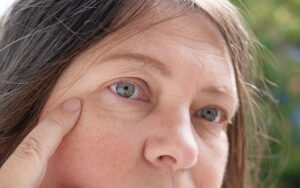
Understanding the warning signs of glaucoma and why early testing is essential for protecting lifelong vision.
Glaucoma is one of the leading causes of irreversible blindness worldwide—yet it is also one of the most misunderstood eye conditions. Often called the “silent thief of sight,” glaucoma typically causes no pain, no noticeable symptoms, and no warning signs in its early stages. Vision loss happens slowly and subtly, making it nearly impossible for patients to detect on their own. By the time many people realize something is wrong, significant and permanent vision damage has already occurred.
This is why early testing is not only important—it is essential. At Anaheim Eye Institute, we emphasize that glaucoma is most successfully managed when it’s detected early. With modern diagnostic tools, advanced imaging, and personalized treatment plans, we can slow or even halt the progression of glaucoma, helping preserve vision for years to come.
This detailed guide explains the symptoms of glaucoma, why the disease is so dangerous, and when you should get tested to safeguard your vision.
These principles guide how we approach prevention, diagnosis, and long-term management.
“Glaucoma rarely announces itself. The only reliable defense is early testing and consistent monitoring.”
What Is Glaucoma? Understanding the Condition Behind the Vision Loss
Glaucoma is not a single disease but a group of eye conditions that damage the optic nerve—the nerve responsible for transmitting visual information from the eye to the brain. Most forms of glaucoma are associated with elevated intraocular pressure (IOP), but not all. Some patients develop glaucoma even with normal eye pressure, making regular exams essential for everyone, not just those with known risk factors.
There are two main types:
1. Open-Angle Glaucoma
Open-Angle Glaucoma is the most prevalent type. It occurs when fluid in the eye drains too slowly, leading to gradual pressure buildup.
2. Angle-Closure Glaucoma
A less common but more urgent form. It happens when the eye’s drainage angle becomes blocked suddenly, causing rapid pressure increases and requiring immediate medical care.
Other forms, such as congenital glaucoma, secondary glaucoma, and normal-tension glaucoma, can also occur depending on genetic, medical, or ocular factors.
What makes glaucoma dangerous is that optic nerve damage cannot be reversed. However, early diagnosis and treatment can prevent further damage and preserve functional vision.
Why Glaucoma Often Goes Unnoticed
Glaucoma is especially dangerous because it progresses without pain, redness, or early vision loss. The disease primarily affects peripheral vision first—the part of sight least noticed during daily activities. Patients may be able to read, drive, and recognize faces normally while losing side vision slowly over time.
Because the brain adapts to changes, individuals often compensate for missing peripheral areas without realizing it. It is only when central vision becomes affected—often in the later stages—that glaucoma becomes obvious.
This is why regular eye exams are crucial. Advanced testing can detect glaucoma years before symptoms become noticeable.
Early Symptoms of Glaucoma: What to Watch For
In its early stages, glaucoma usually does not produce symptoms. However, as the disease progresses, certain changes may begin to appear. These symptoms vary depending on the type of glaucoma.
Open-Angle Glaucoma Symptoms (Progressive and Subtle)
Most patients with open-angle glaucoma don’t experience any symptoms until the disease progresses significantly. Over time, you may experience:
- Gradual loss of peripheral (side) vision
- Difficulty noticing objects out of the corner of your eye
- Needing more light to see clearly
- Trouble adjusting to dark rooms
- Slightly blurred vision in advanced stages
These symptoms develop so slowly that patients often attribute them to aging or eye strain.
Angle-Closure Glaucoma Symptoms (Sudden and Severe)
Angle-closure glaucoma develops rapidly and is considered an emergency. Symptoms may include:
- Sudden, severe eye pain
- Headache
- Blurred vision
- Halos around lights
- Redness in the eye
- Nausea or vomiting
If any of these symptoms occur, immediate treatment is critical to prevent permanent vision loss.
“The goal of glaucoma care is simple: catch it early, treat it early, and protect the vision you have.”
Risk Factors: Who Is More Likely to Develop Glaucoma?
Glaucoma can affect anyone, but certain groups face higher risk. Recognizing these risk factors can help you determine how often you should be tested.
Age
Risk increases dramatically after age 40, and even more so after age 60.
Family History
Glaucoma often runs in families. If a parent or sibling has it, your risk is significantly higher.
Ethnicity
Certain groups are more susceptible:
- African Americans: higher risk and earlier onset
- Hispanics and Latinos: increased risk after age 60
- Asian populations: greater risk for angle-closure glaucoma
Medical Conditions
Diabetes, hypertension, and thyroid disorders can increase risk.
Eye Conditions
Severe myopia, prior eye injury, chronic steroid use, and certain corneal thicknesses affect risk.
Even with no symptoms, individuals in these groups should undergo more frequent testing.
When Should You Get Tested for Glaucoma?
Eye health evaluations should begin early and continue regularly throughout life. Guidelines for glaucoma testing include:
- Under age 40: every 2–4 years
- Ages 40–54: every 1–3 years
- Ages 55–64: every 1–2 years
- Over age 65: every 6–12 months
Anyone with risk factors should be monitored annually or as recommended by their doctor. Early testing is especially important because glaucoma can begin years before symptoms occur.
What Happens During a Glaucoma Examination?
A glaucoma evaluation at Anaheim Eye Institute is thorough, painless, and highly informative. Because glaucoma affects the optic nerve and eye pressure, several advanced tests are performed to ensure accurate diagnosis.
1. Eye Pressure Measurement (Tonometry)
Measures intraocular pressure to detect abnormal increases.
2. Optic Nerve Examination
Checks for thinning, cupping, or other changes associated with glaucoma.
3. OCT Imaging (Optical Coherence Tomography)
A highly precise scan that measures the thickness of the optic nerve fibers and monitors changes over time.
4. Visual Field Testing
Detects early peripheral vision loss that patients often do not notice on their own.
5. Gonioscopy
Evaluates the drainage angle of the eye, helping identify angle-closure risk.
Together, these tests provide a complete picture of eye pressure, optic nerve health, and potential risk.
How Glaucoma Is Treated
Although glaucoma is not curable, it is highly manageable when caught early. Treatment focuses on lowering eye pressure to prevent further optic nerve damage.
Treatment Options Include:
- Prescription eye drops to reduce fluid buildup or increase drainage
- Oral medications in certain cases
- Laser therapy, such as SLT (Selective Laser Trabeculoplasty)
- Minimally invasive glaucoma surgeries (MIGS)
- Traditional surgery for advanced or resistant cases
The best treatment plan depends on the type of glaucoma, severity, and response to therapy.
Why Early Detection Is the Key to Preserving Vision
Glaucoma does not improve over time. Without treatment, it progresses silently and permanently. However, with early diagnosis and consistent care, many patients maintain strong vision for life.
Catching glaucoma early can:
- Preserve peripheral and central vision
- Reduce the need for more invasive treatments
- Prevent rapid progression
- Protect independence and quality of life
Once optic nerve fibers are lost, they cannot be recovered, which makes preventive care invaluable.
Conclusion: Don’t Wait for Symptoms—Get Tested Early to Protect Your Sight
Glaucoma is one of the most serious yet most preventable causes of vision loss. Because it progresses silently, relying on symptoms is never enough. Regular eye exams remain the single most effective way to detect the disease in its earliest stages and begin treatment before any vision is affected.
If you have risk factors, are over age 40, or simply want to protect your long-term eye health, scheduling a professional glaucoma screening is one of the wisest decisions you can make.
To protect your vision, schedule a personalized consultation with Anaheim Eye Institute.