What patients in Anaheim can expect after LASIK surgery and how vision improves during the healing process.
LASIK eye surgery has transformed the lives of millions of people who want clearer vision without relying on glasses or contact lenses. One of the reasons LASIK remains so popular is the relatively quick recovery period compared with many other surgical procedures. In many cases, patients begin noticing improved vision within hours after the procedure.
However, while vision improvement can happen quickly, the full healing process involves several stages. Understanding what happens after LASIK can help patients feel confident and prepared during recovery. Each person heals slightly differently, but the general recovery timeline follows a predictable pattern.
At Anaheim Eye Institute, patients receive detailed postoperative instructions and personalized follow-up care to ensure the safest and smoothest recovery possible.
One of the greatest advantages of LASIK is that many patients return to normal daily activities within a day or two, often with dramatically improved vision.
Knowing what to expect after surgery allows patients to protect their eyes, support healing, and enjoy the benefits of their new vision.
What Happens Immediately After LASIK Surgery
LASIK is a relatively quick procedure that typically takes around 10 to 15 minutes for both eyes. Because numbing eye drops are used, the surgery itself is usually painless.
Patients are given a brief period of rest following the procedure before being permitted to return home that same day. It is important to arrange transportation in advance since vision may be blurry immediately after surgery.
During the first few hours, it is normal to experience mild symptoms such as watery eyes, light sensitivity, or a slight burning or gritty sensation. These sensations usually improve within the first day.
Most doctors recommend resting with eyes closed for several hours after LASIK. This allows the cornea to begin healing and reduces the chance of irritation.
Protective shields may be provided to wear during sleep to prevent accidental rubbing of the eyes during the first few nights.
Vision Improvement in the First 24 Hours
One of the most exciting moments for many LASIK patients occurs the day after surgery. Many individuals wake up with noticeably clearer vision.
Although some blurriness or haziness can still occur during the first day, most patients already see significant improvements compared with their pre-surgery vision.
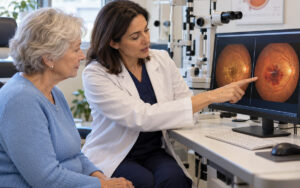
Patients typically return to their eye doctor for a follow-up visit within 24 hours. During this appointment, the surgeon evaluates the eyes to ensure proper healing and confirm that the corneal flap is stable.
At Anaheim Eye Institute, these follow-up visits are an important part of the recovery process, allowing doctors to monitor healing closely and answer any questions patients may have.
Most people are able to resume light activities such as reading, using a phone, or watching television the next day.
The First Week of LASIK Recovery
During the first week after LASIK, the eyes continue to stabilize and heal. Vision usually becomes progressively clearer during this period.
Many patients return to work within one or two days, depending on their profession. Office work and non-strenuous tasks can usually resume quickly.
However, there are still some precautions patients should follow during this early stage of recovery.
Rubbing the eyes should be avoided, as this could interfere with the healing corneal flap. Patients are also typically advised to avoid swimming pools, hot tubs, and other environments where bacteria could enter the eyes.
Artificial tears are often recommended to keep the eyes lubricated and comfortable. Temporary dryness is a common side effect after LASIK and usually improves over time.
Some individuals may notice mild fluctuations in vision during the first week, especially when looking at screens or driving at night. These fluctuations typically resolve as the eyes continue to heal.
The First Month After LASIK
Over the next several weeks, the cornea continues to heal and stabilize. Vision typically becomes sharper and more consistent during this stage.
Patients may have additional follow-up appointments with their eye doctor to ensure that recovery is progressing as expected. These visits allow the surgeon to monitor visual improvements and check for any signs of complications.
Dry eyes may still occur during the first few weeks after LASIK, which is why lubricating eye drops are often recommended.
Most patients can safely return to exercise and normal physical activities during this time, although protective eyewear may be advised for certain sports.
Night vision symptoms, such as glare or halos around lights, may occur temporarily for some patients. These symptoms typically improve as the eyes continue adjusting.
Full Healing and Long-Term Results
Although many patients enjoy excellent vision within a few days, complete healing after LASIK can take several months.
During this time, the cornea continues adjusting to its new shape, and vision may gradually reach its final clarity.
For the majority of patients, LASIK provides long-lasting vision correction. Many individuals achieve 20/20 vision or better, significantly reducing or eliminating the need for glasses or contact lenses.
It is important to remember that LASIK corrects refractive errors, but it does not stop natural aging changes in the eyes. For example, reading glasses may still become necessary later in life due to presbyopia.
Regular eye examinations remain essential even after successful LASIK surgery.
Tips for a Smooth LASIK Recovery
Following your doctor’s instructions carefully is one of the most important factors in achieving optimal LASIK results.
Patients are typically advised to use prescribed eye drops exactly as directed. These medications help prevent infection and support healing.
Protecting the eyes from irritants such as dust, smoke, and wind can also help reduce discomfort during the early recovery period.
Sunglasses are often recommended when outdoors to protect the eyes from bright sunlight and reduce light sensitivity.
Adequate sleep and hydration can also support the body’s natural healing processes.
Proper aftercare plays a major role in ensuring that LASIK results are safe, stable, and long lasting.
Patients who follow recovery guidelines carefully often experience smoother healing and faster visual improvement.
Why Follow-Up Care Matters
Even though LASIK recovery is relatively quick, regular follow-up visits are important for monitoring healing and ensuring optimal results. LASIK, or Laser-Assisted In Situ Keratomileusis, or LASIK, is a popular eye surgery that corrects vision by reshaping the cornea.
Eye doctors evaluate several factors during these visits, including corneal stability, visual clarity, and overall eye health.
If minor vision changes occur during healing, the surgeon can determine whether additional treatment is necessary.
At Anaheim Eye Institute, follow-up care is designed to provide patients with reassurance and expert guidance throughout the entire recovery process.
The goal is not only to improve vision but also to maintain long-term eye health.
Conclusion
LASIK recovery is one of the fastest healing processes in modern eye surgery. Many patients notice clearer vision within hours and return to normal daily activities within a day or two.
However, full healing continues over several weeks as the eyes adjust and stabilize. Following post-surgery instructions carefully and attending follow-up appointments can help ensure the best possible outcome.
For individuals who are tired of relying on glasses or contact lenses, LASIK offers a safe and effective path toward clearer vision.
The experienced ophthalmologists at Anaheim Eye Institute use advanced diagnostic technology and personalized care to guide patients through every step of the LASIK journey.
Schedule a consultation with Anaheim Eye Institute today to learn whether LASIK is the right solution for your vision and lifestyle.
FAQs
How soon can I see clearly after LASIK?
Many patients notice improved vision within a few hours. Most people experience significantly clearer vision the next day.
When can I return to work after LASIK?
Many patients return to work within one or two days, especially if their job does not involve heavy physical activity.
Is it normal for vision to fluctuate after LASIK?
Yes. Mild fluctuations in vision are common during the first few weeks as the eyes continue healing.
When can I exercise again after LASIK?
Light exercise can often resume within a few days, but swimming and contact sports may require a longer waiting period, typically around one to two weeks, to ensure proper healing and avoid complications.
Do I still need eye exams after LASIK?
Yes. Regular eye exams remain important to monitor overall eye health and detect age-related vision changes.