Understanding this silent eye disease and why early detection is critical for protecting long-term vision.
Glaucoma is one of the leading causes of irreversible blindness worldwide, yet many people are unaware they have it until significant vision loss has already occurred. Often referred to as the “silent thief of sight,” glaucoma develops gradually and typically produces few noticeable symptoms in its early stages.
The condition damages the optic nerve, the critical structure responsible for transmitting visual information from the eye to the brain. Once this nerve becomes damaged, vision loss cannot be reversed. However, when glaucoma is detected early, treatment can often slow or prevent further damage.
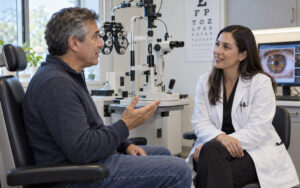
Regular comprehensive eye exams play a crucial role in identifying glaucoma before symptoms appear. Ophthalmologists can now detect subtle changes in the eye long before they affect vision thanks to advanced diagnostic technology.
At Anaheim Eye Institute, patients receive comprehensive glaucoma screenings and advanced treatment options designed to preserve vision and maintain long-term eye health.
Glaucoma often develops without warning, which is why regular eye examinations are one of the most important tools for protecting your vision.
Understanding what glaucoma is, how it develops, and how it can affect vision can help individuals take proactive steps to protect their eye health.
What Exactly Is Glaucoma?
Glaucoma refers to a group of eye diseases that damage the optic nerve. This damage is commonly associated with increased pressure inside the eye, known as intraocular pressure.
The eye continuously produces a fluid called aqueous humor. This fluid normally drains through a specialized drainage system in the eye. When the fluid cannot drain properly, pressure builds inside the eye.
Over time, this increased pressure can compress and damage the optic nerve fibers. Because the optic nerve carries visual signals to the brain, damage to this structure leads to permanent vision loss.
Glaucoma can occasionally develop even in cases where elevated eye pressure is within the normal range, despite being a significant risk factor.
The Most Common Types of Glaucoma
Several different forms of glaucoma exist, but two types are most commonly diagnosed.
Primary open-angle glaucoma is the most common type. It develops slowly when the drainage system of the eye becomes less efficient over time. Because the increase in eye pressure is gradual, patients usually experience no symptoms during the early stages.
Vision loss from open-angle glaucoma typically begins in the peripheral vision, which means side vision gradually becomes narrower.
Angle-closure glaucoma is less common but can develop rapidly and requires immediate medical attention. In this condition, the drainage angle between the iris and cornea becomes blocked, causing a sudden increase in eye pressure.
Symptoms of angle-closure glaucoma may include severe eye pain, headaches, nausea, blurred vision, and seeing halos around lights.
Immediate treatment is essential in these cases to prevent permanent vision loss.
Early Signs and Symptoms of Glaucoma
One of the most challenging aspects of glaucoma is that it often causes no noticeable symptoms during its early stages.
In open-angle glaucoma, the disease progresses gradually. Peripheral vision slowly deteriorates, but patients often do not notice the changes because the brain compensates for the loss.
As the condition advances, patients may begin experiencing tunnel vision, where side vision becomes increasingly limited.
Because symptoms appear so late in the disease process, routine eye exams are the most reliable way to detect glaucoma early.
Many people with glaucoma feel their vision is normal until significant damage has already occurred.
For this reason, eye care professionals strongly recommend regular glaucoma screenings, especially for individuals with higher risk factors.
Who Is at Risk for Glaucoma?
Although glaucoma can affect anyone, certain individuals have a higher risk of developing the condition.
Age is one of the most significant risk factors. Adults over the age of 60 have an increased likelihood of developing glaucoma.
Family history also plays an important role. Individuals with close relatives who have glaucoma may have a higher genetic predisposition.
Other risk factors include high intraocular pressure, certain medical conditions such as diabetes, thin corneas, and long-term use of corticosteroid medications.
People with severe nearsightedness may also have an increased risk of certain forms of glaucoma.
Because risk factors vary, personalized screenings and evaluations are essential.
At Anaheim Eye Institute, doctors evaluate each patient’s unique risk profile and recommend appropriate screening schedules.
How Glaucoma Is Diagnosed
Detecting glaucoma involves several advanced diagnostic tests designed to evaluate eye pressure, optic nerve health, and visual function.
A comprehensive eye examination typically includes measuring intraocular pressure through a test called tonometry.
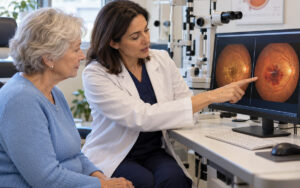
Doctors also examine the optic nerve using specialized imaging equipment to identify signs of damage.
Visual field testing is another important tool. This test measures peripheral vision and helps identify areas where vision loss may have occurred.
Modern imaging technologies can map the structure of the optic nerve with remarkable precision, allowing doctors to detect glaucoma in its earliest stages.
Early diagnosis greatly improves the ability to manage the disease and prevent vision loss.
Treatment Options for Glaucoma
Although glaucoma cannot be cured, several treatments can help control the disease and protect vision.
The primary goal of glaucoma treatment is to lower intraocular pressure.
Prescription eye drops are often the first line of treatment. These medications either reduce fluid production in the eye or improve fluid drainage.
In some cases, laser procedures may be recommended to enhance the eye’s natural drainage system.
Advanced treatments are continually evolving, and new technologies are helping ophthalmologists manage glaucoma more effectively than ever before, including the development of minimally invasive surgical techniques that can improve patient outcomes.
For patients with more advanced disease, surgical procedures may be necessary to create new drainage pathways and control eye pressure, such as trabeculectomy or the implantation of drainage devices, which can significantly improve their quality of life and preserve vision.
At Anaheim Eye Institute, glaucoma management plans are customized to each patient’s specific condition and long-term vision goals, ensuring that early detection of glaucoma is prioritized to prevent further vision loss and to tailor interventions effectively.
Why Early Detection Is So Important
Because glaucoma causes permanent damage to the optic nerve, preventing further vision loss is the primary focus of treatment.
Early detection allows doctors to begin treatment before significant damage occurs. When glaucoma is diagnosed early, many patients maintain excellent vision for the rest of their lives.
However, once vision loss occurs, it cannot be restored. This is why routine eye exams remain one of the most powerful tools in preserving vision.
Patients who follow recommended screening schedules and treatment plans have a much better chance of maintaining long-term eye health.
Detecting glaucoma early can make the difference between preserving vision and experiencing permanent sight loss.
Protecting Your Vision for the Future
Taking proactive steps to monitor eye health can significantly reduce the risk of severe vision loss from glaucoma.
Regular comprehensive eye exams allow ophthalmologists to identify changes in eye pressure and optic nerve health before symptoms develop.
Maintaining overall health can also play a role in protecting vision. Managing conditions such as diabetes and high blood pressure may reduce the risk of certain eye diseases.
Patients should also inform their eye doctor about family history and any changes in vision.
At Anaheim Eye Institute, advanced screening technologies and experienced ophthalmologists work together to detect glaucoma early and provide effective treatment, which is crucial for preventing vision loss associated with this serious eye condition.
Conclusion
Glaucoma is a serious eye condition that can lead to permanent vision loss if left untreated. Because the disease often develops without noticeable symptoms, many individuals are unaware they have glaucoma until significant damage has occurred.
Understanding the risk factors and importance of early detection can help protect long-term vision.
Regular eye exams, early diagnosis, and appropriate treatment allow many patients to manage glaucoma successfully and maintain healthy eyesight.
If it has been a while since your last eye exam, scheduling a comprehensive evaluation is one of the most important steps you can take for your eye health.
The specialists at Anaheim Eye Institute provide advanced glaucoma screenings and personalized treatment plans designed to preserve vision and support lifelong eye health. Schedule an appointment today to protect your sight.
FAQs
Can glaucoma cause blindness?
Yes. If left untreated, glaucoma can cause permanent vision loss and blindness due to damage to the optic nerve.
Is glaucoma painful?
Most forms of glaucoma, particularly open-angle glaucoma, do not cause pain. However, angle-closure glaucoma can cause severe eye pain and requires emergency treatment.
How often should I be tested for glaucoma?
Adults over 40 should typically have regular comprehensive eye exams every one to two years, or more frequently if recommended by their eye doctor.
Can glaucoma be cured?
There is currently no cure for glaucoma, but treatments can effectively control eye pressure and slow disease progression.
What is the best way to prevent glaucoma vision loss?
Early detection through routine eye exams is the most effective way to prevent significant vision loss from glaucoma.