Understanding when cataracts begin affecting your quality of life and how modern cataract surgery can restore clear vision.
Cataracts are one of the most common age-related eye conditions and a leading cause of vision impairment worldwide. They occur when the natural lens inside the eye becomes cloudy, preventing light from passing clearly to the retina. As cataracts develop, vision gradually becomes blurred, dim, or distorted, making everyday activities increasingly difficult.
Many people assume cataract surgery is only necessary when vision becomes terrible. In reality, modern ophthalmology allows patients to address cataracts earlier, often before vision loss significantly disrupts daily life. Advances in surgical techniques and lens technology have made cataract surgery safer, more precise, and highly effective.
Recognizing when cataracts begin interfering with daily activities is often the key indicator that it may be time to consider treatment.
At Anaheim Eye Institute, experienced ophthalmologists evaluate each patient’s vision and lifestyle needs to determine the most appropriate timing for cataract surgery.
Cataract surgery today is not only about removing a cloudy lens. It is an opportunity to restore clearer, sharper vision and improve overall quality of life.
Understanding the signs of cataracts and knowing when surgery may be beneficial can help patients make informed decisions about their eye health.
What Are Cataracts?
A cataract develops when proteins within the eye’s natural lens begin to break down and clump together. This process causes the lens to become cloudy, preventing light from focusing properly on the retina.
The result is progressively blurred or hazy vision. Cataracts usually develop slowly and may initially affect only a small portion of the lens. Over time, however, the clouding becomes more significant.
Most cataracts are related to aging and tend to appear after age 60. However, they can develop earlier in some individuals due to factors such as genetics, eye injuries, medical conditions, or prolonged exposure to ultraviolet light.
Although cataracts are common, they are also highly treatable through modern surgical techniques, which can significantly improve vision and quality of life for those affected.
Early Signs That Cataracts Are Developing
Cataracts often begin subtly. Many patients may not notice symptoms at first because vision changes occur gradually.
One of the earliest signs is blurred or cloudy vision that cannot be corrected with new glasses or contact lenses.
Some individuals notice increased sensitivity to light, especially when driving at night. Headlights and streetlights may appear overly bright or produce halos.
Colors may also appear dull or yellowed because the cloudy lens alters how light enters the eye.
Another common symptom is difficulty reading or performing tasks in low lighting conditions. Patients may find themselves needing brighter light to see clearly.
While these symptoms may initially seem minor, they can worsen over time and eventually interfere with everyday activities.
How Cataracts Affect Daily Life
The decision to pursue cataract surgery is often based on how much the condition affects daily activities and overall quality of life.
Many patients begin considering surgery when vision problems start interfering with common tasks such as driving, reading, watching television, or using digital devices.
Driving at night is one of the most common challenges associated with cataracts. Increased glare and halos around headlights can make nighttime driving uncomfortable or even unsafe.
Cataracts may also make it harder to recognize faces, read road signs, or perform detailed work.
Even hobbies such as cooking, sewing, gardening, or sports may become more difficult when vision clarity declines.
When cataracts begin impacting independence or daily routines, it may be time to discuss treatment options with an eye care specialist.
Cataract surgery is typically recommended when vision changes begin affecting a patient’s ability to perform everyday activities safely and comfortably.
When Eye Doctors Recommend Cataract Surgery
Ophthalmologists consider several factors when determining whether cataract surgery is appropriate.
One important factor is the degree of vision impairment caused by the cataract. If vision cannot be adequately corrected with glasses or contact lenses, surgery may be recommended.
Doctors also evaluate how the cataract affects the patient’s lifestyle. For example, someone who drives frequently or performs visually demanding work may benefit from earlier treatment.
In some cases, cataracts can interfere with the diagnosis or management of other eye conditions such as glaucoma or retinal disease. Removing the cataract may enable medical professionals to better monitor general eye health in such cases.
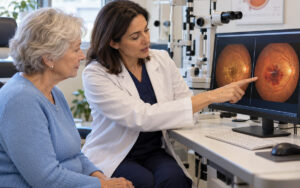
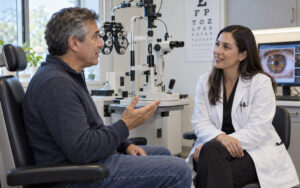
During a comprehensive examination at Anaheim Eye Institute, ophthalmologists carefully assess lens clarity, visual acuity, and overall eye health before recommending surgery.
Why Modern Cataract Surgery Is Highly Effective
Cataract surgery is one of the most commonly performed surgical procedures in the world, and it has an extremely high success rate.
The procedure involves removing the cloudy natural lens and replacing it with a clear artificial intraocular lens, commonly referred to as an IOL.
This artificial lens restores the eye’s ability to focus light properly, often resulting in significantly improved vision.
Modern cataract surgery is typically performed on an outpatient basis and usually takes less than 30 minutes. Most patients experience minimal discomfort and return home the same day.
Advanced technologies have also improved surgical precision, leading to faster recovery times and more predictable outcomes, which means that patients can expect a smoother healing process and a quicker return to their daily activities.
Many patients report brighter colors, sharper details, and improved overall visual clarity after cataract surgery.
Advances in Lens Technology
One of the major benefits of modern cataract surgery is the availability of advanced intraocular lenses that can correct certain refractive errors.
Traditional lenses restore clear distance vision but may still require patients to use reading glasses.
Newer lens options can address multiple vision needs, including distance, intermediate, and near vision.
Some lenses can also correct astigmatism, reducing dependence on glasses after surgery.
During a cataract consultation at Anaheim Eye Institute, ophthalmologists help patients choose the most appropriate lens based on their lifestyle, visual goals, and eye health.
This personalized approach allows patients to achieve the best possible vision outcomes.
What to Expect After Cataract Surgery
Recovery after cataract surgery is generally quick and straightforward.
Most patients notice improved vision within a few days, although full healing may take several weeks.
Eye drops are typically prescribed to prevent infection and reduce inflammation during the healing process.
Patients are usually advised to avoid heavy lifting, rubbing the eyes, and strenuous activities during the early recovery period.
Follow-up appointments allow the ophthalmologist to monitor healing and ensure the new lens is functioning properly.
Many patients experience dramatic improvements in vision and overall quality of life following cataract surgery.
Cataract surgery is one of the most successful procedures in modern medicine, helping millions of people regain clear, functional vision each year.
Why Early Evaluation Matters
Even if cataracts are not yet severe enough to require surgery, regular eye exams allow doctors to monitor their progression.
Early evaluation provides valuable information about lens changes, visual function, and overall eye health.
It also allows patients to plan ahead for potential surgery when the time is right.
For individuals experiencing vision changes, scheduling a comprehensive eye exam can provide clarity and reassurance.
The experienced ophthalmologists at Anaheim Eye Institute provide thorough evaluations and guide patients through every stage of cataract diagnosis and treatment.
Conclusion
Cataracts develop gradually and may not initially cause significant vision problems. However, as the condition progresses, it can interfere with everyday activities such as reading, driving, and recognizing faces.
Modern cataract surgery offers a safe and effective solution for restoring clear vision. Advances in surgical technology and intraocular lens design have made the procedure more precise and customizable than ever before.
If you are experiencing cloudy vision, increased glare, or difficulty performing daily tasks, it may be time to schedule a comprehensive eye examination.
The specialists at Anaheim Eye Institute provide advanced cataract evaluations and personalized treatment plans designed to restore clear vision and improve quality of life. Schedule your consultation today to learn whether cataract surgery may be right for you.
FAQs
How do I know if cataract surgery is necessary?
Cataract surgery is typically recommended when vision problems begin interfering with daily activities such as driving, reading, or working.
Is cataract surgery painful?
The procedure is generally painless. Numbing medication is used to keep patients comfortable throughout the surgery.
How long does cataract surgery take?
Most cataract procedures take about 15 to 30 minutes and are performed on an outpatient basis.
How long is the recovery period after cataract surgery?
Many patients notice improved vision within a few days, although complete healing may take several weeks.
Will I still need glasses after cataract surgery?
Some patients may still require glasses for certain activities, but advanced lens options can reduce dependence on corrective eyewear.