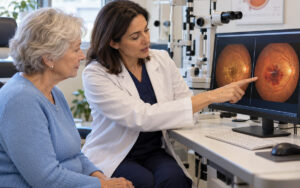
Cataracts develop gradually, often so slowly that many patients do not realize how much their vision has declined until clarity is restored.
For many adults in Anaheim, cataracts are a natural part of aging. Colors may appear faded, headlights may seem overly bright at night, and reading may require stronger light. While glasses can temporarily compensate for early changes, they cannot stop cataracts from progressing.
At Anaheim Eye Institute, cataract surgery is one of the most commonly performed and most successful procedures for restoring vision. Understanding how cataracts affect the eye and how modern surgery corrects them helps patients feel informed and confident about treatment.
What Is a Cataract?
A cataract occurs when the eye’s natural lens becomes cloudy. The lens, which normally focuses light onto the retina, gradually loses its clarity due to protein changes within the eye.
As the clouding progresses, vision becomes blurred, dim, or distorted. Patients often describe it as looking through a foggy window or a smudged camera lens. Bright lights may cause glare, and nighttime driving can become particularly difficult.
Cataracts are not caused by overuse of the eyes. They are most commonly age-related, though diabetes, certain medications, trauma, and prolonged UV exposure can contribute.
When Cataracts Begin to Interfere with Daily Life
Cataracts do not require immediate surgery at diagnosis. The timing of treatment depends on how much vision is affected and how symptoms impact daily activities.
Common signs it may be time to consider surgery include:
- Difficulty reading even with updated glasses
- Trouble driving at night
- Increased sensitivity to glare
- Faded or yellowed color perception
- Frequent prescription changes without improvement
The decision to proceed with cataract surgery is highly personal and based on functional vision needs rather than a specific visual acuity number alone.
Cataract surgery becomes appropriate when vision no longer supports the life you want to live.
How Cataract Surgery Restores Vision
Cataract surgery involves removing the cloudy natural lens and replacing it with a clear artificial intraocular lens, or IOL. The procedure is performed under local anesthesia and typically takes less than 30 minutes.
Modern cataract surgery uses advanced microsurgical techniques. A small incision allows ultrasound energy to gently break apart and remove the cloudy lens. The new IOL is then inserted in its place.
Because the incision is very small, stitches are rarely needed, and healing begins quickly.
Advanced Lens Options Available in Anaheim
One of the most significant advancements in cataract surgery is the availability of premium intraocular lenses. These lenses not only restore clarity but can also reduce dependence on glasses.
Standard monofocal lenses provide clear vision at one distance, usually far. Multifocal and extended depth-of-focus lenses offer a broader range of vision, potentially reducing the need for reading glasses.
Toric lenses correct astigmatism at the time of surgery, improving overall visual sharpness.
At Anaheim Eye Institute, detailed preoperative measurements determine which lens option best aligns with a patient’s visual goals and lifestyle.
Recovery After Cataract Surgery
Most patients experience noticeable vision improvement within days. Mild scratchiness or light sensitivity is common initially but typically resolves quickly.
Prescription eye drops are used to prevent infection and control inflammation during healing. Patients usually return to light daily activities within a day or two.
Full visual stabilization may take several weeks as the eye adjusts to the new lens.
Long-Term Outcomes and Safety
Cataract surgery is one of the safest and most frequently performed surgeries worldwide. Success rates are extremely high when performed on appropriate candidates.
Complications are uncommon, especially with experienced ophthalmologists and modern surgical equipment. Regular follow-up appointments ensure proper healing and early detection of any issues.
The artificial lens implanted during surgery does not develop cataracts, meaning the treated eye will not experience a recurrence.
Emotional and Lifestyle Benefits
Patients often underestimate how much cataracts have limited their lives until after surgery. Colors appear brighter. Faces look sharper. Driving becomes more comfortable.
Many Anaheim patients describe cataract surgery as regaining independence. Activities such as reading, golfing, cooking, or enjoying time outdoors become easier and more enjoyable again.
Clear vision is not simply about sight. It is about quality of life.
FAQs About Cataract Surgery
Is cataract surgery painful?
No. The procedure is performed with numbing medication, and most patients feel minimal discomfort.
How long does cataract surgery take?
The procedure typically takes less than 30 minutes per eye.
Will I still need glasses afterward?
This depends on the type of lens selected. Some patients still use reading glasses, while others reduce dependence significantly.
Are both eyes done at the same time?
Usually, surgery is performed on one eye at a time, spaced a few weeks apart.
Can cataracts come back?
The natural lens cannot grow back. In some cases, a secondary clouding may develop behind the lens implant, which can be easily treated with a laser procedure.
When to Schedule a Cataract Evaluation
If blurred vision, glare, or frequent prescription changes are affecting your daily life, a comprehensive cataract evaluation is the next step. Early consultation allows for monitoring and proper timing of surgery.
At Anaheim Eye Institute, patients receive individualized assessments, advanced imaging, and clear explanations of all available lens options.
If cataracts are limiting your vision in Anaheim, schedule a comprehensive consultation to explore modern cataract surgery options and restore the clarity you deserve.