A clear look at the most common age-related vision changes and how to protect your eye health at every stage of life.
Aging is a natural part of life, and just like our skin, joints, and metabolism change as we grow older, so do our eyes. Vision evolves continuously from childhood into late adulthood, and while some changes are perfectly normal, others may signal the early stages of eye disease. Understanding how aging affects your vision can help you take proactive steps to maintain clear, comfortable sight for as long as possible.
At Anaheim Eye Institute, we regularly remind patients that growing older does not have to mean losing your vision. Modern ophthalmology offers powerful tools for prevention, early detection, and treatment — but the key is knowing what to expect and when to schedule professional care. This comprehensive guide walks through the most common age-related changes from your 40s through your 70s and beyond, explaining what’s normal, what’s not, and how you can safeguard your eyesight at every stage of life.
“Aging affects the eyes in predictable ways, but vision loss is never something you should accept without evaluation.”
How Vision Changes in Your 40s: The First Noticeable Shift
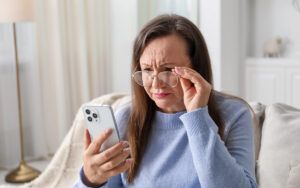
Many people notice their first meaningful vision changes around age 40 — typically when reading menus, phone screens, or books becomes harder. This is usually due to presbyopia, a natural stiffening of the eye’s lens.
Presbyopia: Why Reading Gets Harder With Age
The lens inside the eye is responsible for focusing on objects at different distances. In youth, the lens is flexible, allowing it to change shape quickly as your focus shifts. Over time, the lens gradually becomes less elastic. When this happens, the eyes struggle to focus up close, making reading small print more challenging.
People often hold reading materials farther away, increase font size, or add more light to compensate. Presbyopia is universal and not a disease — it is simply a natural part of aging.
Dry Eye Becomes More Common
Tear production also begins to decrease in your 40s. Hormonal changes, screen time, and environmental factors can contribute to chronic dryness, causing:
- Burning or stinging
- Fluctuating vision
- A gritty sensation
- Eye fatigue
Left untreated, dry eye can affect daily comfort and the quality of your vision.
Increased Glare Sensitivity
Glare from headlights, sunlight, or reflective surfaces may begin to bother you more than before. This is partly due to early changes in the lens and tear film.
Vision Changes in Your 50s: Clarity, Comfort, and Contrast Begin to Shift
As you enter your 50s, presbyopia typically stabilizes, but other age-related changes may become more noticeable. This is often the decade when early signs of underlying eye conditions begin to appear.
Cataracts May Begin Forming
Cataracts develop slowly and quietly. In the early stages, you may notice:
- Slightly cloudy or blurry vision
- Needing more light to read
- Faded color perception
- Increasing glare or halos around lights
Cataracts are extremely common and often begin developing long before surgery is required. Regular monitoring helps determine when treatment becomes appropriate.
Declining Contrast Sensitivity
Contrast sensitivity — the ability to distinguish objects from their background — tends to decrease with age. This makes reading in dim lighting or seeing in foggy or low-contrast conditions more difficult.
Difficulty Seeing in Low Light
Night vision also weakens as the pupils become smaller and less responsive to changes in lighting. Tasks such as driving at night may become more challenging.
Higher Risk of Glaucoma
Glaucoma becomes more prevalent in the 50s. Because glaucoma often causes no symptoms early on, regular comprehensive exams are vital. Early detection is key to preventing irreversible optic nerve damage.
“The most effective way to preserve lifelong vision is to understand the changes ahead and partner with an eye specialist early.”
Vision Changes in Your 60s: Monitoring Becomes Essential
By your 60s, the risk of age-related eye diseases increases significantly. This makes annual eye exams more than recommended—they are essential.
Cataracts Often Reach a Treatable Stage
For many individuals, cataracts continue progressing and may start to interfere with daily activities such as reading, driving, or recognizing faces. When cataracts begin affecting quality of life, cataract surgery becomes an excellent option. The procedure not only restores clarity but can also correct refractive errors like astigmatism, nearsightedness, or farsightedness.
Age-Related Macular Degeneration (AMD) Risk Increases
AMD affects the macula — the part of the retina responsible for sharp central vision. Early signs may include:
- Distorted or wavy lines
- Blurred central vision
- Difficulty recognizing faces
- Dark spots in the central field of view
Dry AMD is more common and progresses slowly, while wet AMD is less common but more aggressive. Early detection greatly improves outcomes.
More Pronounced Dry Eye Symptoms
The tear film becomes less stable with age, and dryness can worsen. Conditions such as blepharitis (inflammation of the eyelids) may also become more common.
Floaters and Vitreous Changes
The gel-like vitreous inside the eye begins to shrink naturally with age, creating small floaters. While floaters are usually harmless, a sudden increase accompanied by flashes of light may indicate a retinal tear and should be evaluated immediately.
Vision Changes in Your 70s and Beyond: Protecting Remaining Vision
In your 70s and older, maintaining vision health requires consistent monitoring and quick attention to changes. Age-related eye diseases become more common, but early care can significantly preserve vision.
Cataracts Are Usually Well Developed
Most individuals in their 70s either have cataracts or have already undergone cataract surgery. Fortunately, modern IOLs used in surgery provide excellent clarity and can significantly improve quality of life.
Higher Risk of Advanced Glaucoma
The chances of developing glaucoma increase with age, making testing more important than ever. Even if you have never had high eye pressure, normal-tension glaucoma can still occur.
Need for More Frequent Eye Exams
Annual or twice-yearly visits are recommended to catch changes early.
Reduced Peripheral Vision
Whether from glaucoma, neurological changes, or natural aging, side vision may slowly decrease, affecting mobility and safety.
How Aging Impacts the Eye’s Structures
Understanding how the anatomy of the eye changes over time helps explain why certain vision symptoms appear.
1. The Lens Becomes Clouded and Less Flexible
- Causes presbyopia
- Leads to cataract formation
- Reduces ability to focus between distances
2. The Retina May Become Less Efficient
Blood flow to the retina can decrease, affecting visual processing and increasing the risk of retinal disease.
3. The Cornea Becomes Less Sensitive
Corneal sensitivity decreases with age, making it harder to feel dryness or irritation.
4. The Vitreous Shrinks
This natural shrinkage causes floaters and increases the risk of retinal tears.
Understanding these changes helps patients recognize when symptoms are simply age-related and when they require immediate medical attention.
When Age-Related Vision Changes Signal a Serious Condition
Not every change is normal. You should contact an eye specialist promptly if you experience:
- Sudden blurry or distorted vision
- Flashes of light or a curtain-like shadow
- Straight lines appearing wavy
- Rapid vision loss
- Double vision
- Severe eye pain
These symptoms can indicate retinal detachment, acute glaucoma, AMD, or other urgent conditions.
Steps You Can Take to Protect Your Vision as You Age
While aging is inevitable, there is much you can do to protect your eyes.
Schedule Regular Eye Exams
Annual exams are the strongest tool for early detection of cataracts, glaucoma, AMD, and diabetic eye disease.
Wear UV Protection
Prolonged UV exposure contributes to cataract formation and retinal damage.
Manage Chronic Health Conditions
Diabetes, hypertension, and high cholesterol all impact eye health.
Follow a Vision-Supporting Diet
Foods rich in antioxidants — including leafy greens, berries, salmon, and nuts — support retinal health.
Use Proper Lighting
Brighter, focused lighting helps reduce strain when reading or working up close.
Know Your Family History
Genetics play a major role in the development of glaucoma and AMD.
Conclusion: Aging Changes Your Vision — But You Can Protect It
While age-related vision changes are natural, significant vision loss is not an inevitable part of growing older. Most conditions that threaten eyesight can be detected early and managed successfully when you partner with an experienced eye specialist. Regular exams, lifestyle choices, and proactive care make all the difference.
If you’re beginning to notice changes — whether mild or dramatic — now is the perfect time to take control of your eye health and protect your vision for the future.
To protect your vision, schedule a personalized consultation with Anaheim Eye Institute.