Many eye conditions develop silently, without pain or obvious symptoms. Regular eye exams are the only way to detect problems early and preserve long-term vision.
For patients in Anaheim, eye exams are often associated with updating glasses or contact lens prescriptions. While correcting vision is important, comprehensive eye exams serve a much broader purpose. They evaluate the overall health of the eyes, detect early signs of disease, and help prevent vision loss before it becomes permanent.
At Anaheim Eye Institute, routine eye exams are a critical part of preventive healthcare. Knowing how often to schedule an exam depends on age, health status, and individual risk factors.
Why Regular Eye Exams Matter Even If Vision Seems Fine
Many serious eye conditions begin without noticeable symptoms. Glaucoma, macular degeneration, diabetic eye disease, and retinal conditions can progress gradually without affecting vision until damage has already occurred.
Because the eyes are complex and delicate structures, early detection is essential. Comprehensive eye exams allow ophthalmologists to identify subtle changes that may not yet affect daily vision but could lead to long-term complications if untreated.
Regular exams also provide a baseline for comparison over time. This helps detect gradual changes that might otherwise go unnoticed.
Clear vision today does not guarantee healthy eyes tomorrow. Preventive exams protect your future sight.
Recommended Eye Exam Frequency by Age
The frequency of eye exams varies depending on age and overall health.
Adults between ages 18 and 39 with no vision problems or risk factors typically benefit from an exam every two years. However, those who wear glasses or contact lenses should be evaluated annually to ensure prescriptions remain accurate and eyes remain healthy.
Adults aged 40 to 64 should have eye exams every one to two years. This age group faces an increased risk of conditions such as glaucoma and presbyopia, which affect focusing ability.
Adults over 65 should schedule annual eye exams. Age-related eye conditions, including cataracts and macular degeneration, become more common and require closer monitoring.
Patients with diabetes, high blood pressure, or a family history of eye disease may need more frequent evaluations.
Eye Exams Do More Than Check Vision
A comprehensive eye exam evaluates multiple aspects of eye health beyond visual clarity.
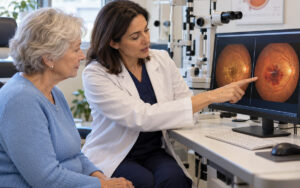
The ophthalmologist examines the retina, optic nerve, cornea, and lens. Eye pressure is measured to screen for glaucoma. Retinal imaging may detect early signs of disease that cannot be seen with standard examination alone.
These evaluations help identify conditions such as cataracts, glaucoma, retinal tears, macular degeneration, and diabetic retinopathy.
Early detection allows for early treatment, improving long-term outcomes.
Signs You Should Schedule an Eye Exam Immediately
While routine exams follow general guidelines, certain symptoms require prompt evaluation.
Blurred vision, sudden vision loss, flashes of light, floaters, eye pain, or increased sensitivity to light should never be ignored. These symptoms may indicate serious conditions requiring immediate care.
Frequent headaches, difficulty focusing, or eye strain may also signal vision changes that need correction.
Patients in Anaheim experiencing any of these symptoms should schedule an eye exam as soon as possible.
Eye Exams for LASIK and Cataract Patients
Patients considering LASIK surgery require detailed eye exams to determine candidacy. Measurements of corneal thickness, curvature, and overall eye health ensure safety and accuracy.
Patients with cataracts also benefit from regular monitoring to determine when surgery becomes appropriate.
Even after LASIK or cataract surgery, routine eye exams remain essential to monitor long-term eye health.
The Role of Technology in Modern Eye Exams
Advances in diagnostic technology have significantly improved the ability to detect eye disease early.
Digital retinal imaging allows ophthalmologists to examine detailed structures of the retina and optic nerve. Optical coherence tomography provides cross-sectional images of retinal layers, detecting subtle abnormalities.
These tools help identify conditions long before symptoms appear, allowing proactive treatment.
Anaheim Eye Institute uses advanced diagnostic equipment to provide comprehensive evaluations tailored to each patient.
How Eye Exams Protect Overall Health
Eye exams can detect signs of systemic health conditions such as diabetes, high blood pressure, and autoimmune diseases. Blood vessels in the retina reflect changes occurring throughout the body.
Early detection of these conditions can prompt medical treatment, improving overall health outcomes.
This makes eye exams an important part of preventive healthcare, not just vision correction.
FAQs About Eye Exam Frequency
How often should adults get eye exams?
Most adults benefit from exams every one to two years, depending on age and risk factors.
Do I need an exam if my vision seems fine?
Yes. Many eye diseases develop without symptoms.
Are eye exams necessary after LASIK?
Yes. LASIK corrects vision but does not prevent other eye conditions.
Can eye exams detect other health problems?
Yes. Conditions such as diabetes and hypertension can be identified during eye exams.
How long does a comprehensive eye exam take?
Most exams take between 30 and 60 minutes.
Protecting Your Vision in Anaheim
Vision plays a vital role in daily life, from driving and reading to working and enjoying time with family. Regular eye exams help ensure that vision remains clear and eye health remains protected.
At Anaheim Eye Institute, comprehensive eye exams provide early detection, accurate diagnosis, and personalized care for patients of all ages.
If it has been more than a year since your last eye exam, or if you are experiencing changes in vision, schedule a comprehensive evaluation in Anaheim to protect your long-term eye health.