Why routine eye exams are one of the most important steps you can take to protect your long-term vision and overall eye health.
Many people assume an eye exam is simply about checking whether they need stronger glasses or contact lenses. While updating a prescription is certainly one part of the process, a comprehensive eye exam goes much deeper. In reality, these visits play a critical role in detecting eye diseases, identifying subtle changes in vision, and even uncovering health conditions that may affect the body as a whole.
For residents in Southern California, where bright sun exposure, digital screen use, and seasonal dryness can all affect eye health, regular exams are especially important. Whether you are experiencing blurry vision, headaches, eye fatigue, or simply want to stay proactive with your eye care, scheduling a comprehensive eye exam can help preserve healthy vision for years to come.
At Anaheim Eye Institute, patients receive personalized evaluations designed to assess not only how clearly they see but also the overall health and function of their eyes. Understanding what happens during a comprehensive eye exam can help remove uncertainty and make the experience far more comfortable.
“Many serious eye conditions develop silently, which is why preventive eye exams are one of the best investments you can make in your long-term vision.”
Why Comprehensive Eye Exams Matter More Than You Think
One of the most significant misconceptions about eye care is that you only need an exam when something feels wrong. Unfortunately, many eye diseases begin gradually and develop without noticeable symptoms in their early stages.
Conditions such as glaucoma, cataracts, macular degeneration, and diabetic retinopathy can progress quietly for months or even years before affecting vision in obvious ways. By the time symptoms appear, permanent damage may have already occurred.
A comprehensive eye exam helps identify these issues early, when treatment options are often more effective. Often, catching a condition early may slow progression, preserve vision, and reduce the need for more aggressive treatment later on.
Eye exams are also important for children, teenagers, working professionals, and older adults alike. Students may struggle academically due to undiagnosed vision problems, while adults who spend long hours in front of screens often develop digital eye strain that affects productivity and comfort.
Additionally, the eyes can sometimes reveal signs of broader medical conditions, including diabetes, hypertension, autoimmune disorders, and even certain neurological issues.
For Anaheim residents and those throughout Orange County, staying proactive with preventive eye care can make a meaningful difference in maintaining both vision and overall wellness.
Reviewing Your Vision and Health History
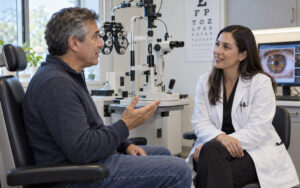
A comprehensive eye exam typically begins with a conversation about your medical history, symptoms, lifestyle habits, and vision concerns.
Your eye doctor may ask questions such as the following:
- Are you experiencing blurry vision?
- Have you noticed headaches or eye strain?
- Do your eyes feel dry, irritated, or watery?
- Are there any family histories of glaucoma or retinal disease?
- How much screen time do you experience daily?
This part of the exam helps create a more personalized understanding of your needs and risk factors.
For example, patients with diabetes may require closer monitoring for retinal complications, while individuals with a family history of glaucoma may benefit from more frequent testing.
Lifestyle also plays a role. Southern California residents often spend significant time outdoors, increasing UV exposure that may contribute to long-term eye damage. Others may experience symptoms connected to allergies, dry air, or heavy screen use.
The goal is to understand not only what your vision looks like today but also what factors may influence your eye health in the future.
Testing Your Visual Acuity and Prescription
One of the most familiar parts of an eye exam involves measuring visual acuity, or how clearly you can see at different distances.
This often includes reading letters on an eye chart to evaluate distance vision and may also involve near-vision testing for reading and close-up activities.
If you wear glasses or contact lenses, your current prescription will be assessed to determine whether changes are necessary.
Often, during the refraction portion of the exam, patients hear the classic question:
“Which is better, one or two?”
This process helps fine-tune your prescription for nearsightedness, farsightedness, astigmatism, or age-related changes in near vision, such as presbyopia.
Vision correction is not simply about clarity. An updated prescription may help reduce headaches, eye fatigue, neck strain, and difficulty focusing during everyday activities.
For people who are becoming frustrated with glasses or contacts, this portion of the exam can also help determine whether they may be candidates for procedures such as LASIK or other vision correction treatments.
Evaluating the Overall Health of Your Eyes
A comprehensive eye exam goes beyond vision correction by carefully assessing the physical health of the eyes.
Your eye doctor may examine several important structures, including:
Cornea and Surface Health
The front surface of the eye is evaluated for signs of dryness, irritation, inflammation, or injury.
In Southern California, environmental factors such as dry air, allergens, and extended digital device use contribute to dry eye syndrome, which can significantly impact comfort and visual quality.
Retina and Optic Nerve
The retina acts like the camera sensor of the eye, helping convert light into signals the brain can interpret.
The optic nerve is equally important because it transmits those signals to the brain. Changes to the optic nerve may indicate glaucoma or neurological concerns.
Special imaging or dilation may be used to provide a closer look at these delicate structures.
Eye Pressure Testing
Measuring intraocular pressure helps screen for glaucoma, one of the leading causes of vision loss.
Many patients worry this test will be uncomfortable, but modern technology has made the experience much easier than many people expect. Some practices use gentle air puff technology, while others use advanced tools that require minimal contact.
Because glaucoma often develops without symptoms, pressure testing is an essential part of preventive eye care.
Cataract Evaluation
The lens inside the eye is checked for clouding associated with cataracts.
Although cataracts are more common with aging, prolonged UV exposure and certain medical conditions may increase risk. Identifying cataracts early helps patients better understand when treatment may eventually become necessary.
“Your vision may feel normal, but your eyes can still be changing beneath the surface.”
Advanced Diagnostic Technology Makes Exams More Detailed
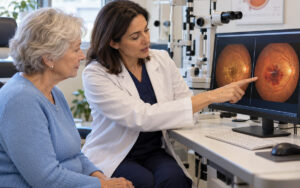
Modern eye exams often include advanced imaging technology that provides a highly detailed look at eye structures.
Digital retinal imaging and other diagnostic tools may help detect concerns earlier than traditional exams alone.
These technologies can identify subtle changes involving:
- Retinal health
- Optic nerve damage
- Macular degeneration
- Diabetic eye disease
- Early glaucoma changes
Advanced imaging also allows doctors to track changes over time. Even small differences between annual visits may help identify developing concerns before vision becomes affected.
This proactive approach gives patients a clearer understanding of their eye health and often improves long-term outcomes.
How Often Should You Get an Eye Exam?
The ideal frequency depends on age, medical history, symptoms, and overall risk factors.
In general:
Children and teens: Regular exams help support academic performance and visual development.
Adults ages 18–60: Every one to two years is often recommended, depending on eye health and prescription needs.
Adults over 60: Annual exams are especially important due to increased risk of glaucoma, cataracts, and macular degeneration.
Patients with diabetes, glaucoma risk factors, chronic dry eye, or previous eye concerns may require more frequent monitoring.
If you notice sudden changes in vision, increased floaters, flashes of light, persistent headaches, or eye discomfort, scheduling an evaluation sooner is always a smart decision.
Frequently Asked Questions
How long does a comprehensive eye exam take?
Most appointments take between 45 minutes and an hour, depending on whether additional testing or dilation is needed.
Will my eyes be dilated?
Not every appointment requires dilation, but it may be recommended to better evaluate retinal health and detect certain eye conditions.
Can an eye exam detect health problems beyond vision?
Yes. Eye exams may sometimes reveal signs of diabetes, high blood pressure, autoimmune diseases, and other systemic health concerns.
Do I still need an eye exam if my vision seems fine?
Absolutely. Many serious eye diseases develop without symptoms in the early stages, making preventive care critical.
Is a comprehensive eye exam covered by insurance?
Coverage varies depending on your insurance plan and whether the visit is considered medical or vision-related.
Protecting your eyesight starts with understanding what is happening beneath the surface. A comprehensive eye exam is about much more than updating your glasses prescription; it is a proactive way to monitor eye health, detect problems early, and preserve clear vision over time.
Whether you are experiencing symptoms or simply staying proactive about preventive care, the experienced team at Anaheim Eye Institute can help you better understand your eye health through advanced diagnostics and personalized treatment recommendations. Schedule your appointment today and take an important step toward protecting your vision for the future.