How Routine Eye Exams Help Protect Vision, Detect Eye Diseases Early, and Support Lifelong Eye Health.
Vision is one of the senses most people rely on every day, yet they often overlook it until something changes. Whether it is reading a text message, driving to work, watching a child’s sporting event, or enjoying a beautiful Southern California sunset, healthy vision plays a critical role in daily life. Unfortunately, many eye conditions develop gradually and without obvious symptoms, making regular eye exams one of the most important preventive healthcare measures available.
Many people assume they only need an eye exam when their vision becomes blurry or they need a new glasses prescription. In reality, comprehensive eye exams do much more than determine whether you need corrective lenses. They allow eye care professionals to monitor overall eye health, detect vision changes, identify serious eye diseases in their earliest stages, and even uncover signs of certain systemic health conditions.
At Anaheim Eye Institute, helping patients protect their vision through preventive care has been a priority for decades. Since many eye diseases can progress silently before noticeable symptoms appear, routine eye examinations provide a valuable opportunity to identify problems early, when treatment is often most effective.
No matter your age, regular eye exams are an essential part of maintaining long-term vision and overall health.
“Many serious eye conditions develop without warning signs. A routine eye exam may detect problems long before vision is affected.”
Eye Health Changes Throughout Every Stage of Life
The eyes continuously change throughout life. From childhood development to the natural aging process, different age groups face unique vision challenges and eye health concerns.
For young children, eye exams can identify developmental issues that may interfere with learning and academic performance. Conditions such as amblyopia, commonly known as lazy eye, and strabismus, or eye misalignment, are often easier to treat when detected early.
School-age children rely heavily on their vision in the classroom. Difficulty seeing a whiteboard, reading textbooks, or focusing on digital screens can impact educational success. Because children may not always recognize or communicate vision problems, routine eye examinations play an important role in supporting learning and development.
Adults often experience changes related to work environments, screen usage, and lifestyle habits. Long hours spent using computers, tablets, and smartphones can contribute to eye strain and visual discomfort.
As individuals enter their 40s and beyond, age-related changes become increasingly common. Presbyopia, cataracts, glaucoma, and age-related macular degeneration can gradually affect vision and quality of life.
Regular eye exams help monitor these changes and ensure that we make appropriate treatment recommendations as needs evolve.
Early Detection of Eye Diseases Can Protect Vision
One of the most important benefits of comprehensive eye exams is the ability to detect eye diseases before noticeable symptoms develop.
Many serious eye conditions are often called “silent” diseases because they may progress without causing pain or obvious vision changes in their early stages.
Glaucoma is a prime example. Often referred to as the “silent thief of sight,” glaucoma damages the optic nerve and can lead to permanent vision loss if left untreated. Many individuals do not realize they have glaucoma until significant vision loss has already occurred.
Cataracts also tend to develop gradually. Patients may initially notice only subtle changes in brightness, contrast, or night vision. Early detection allows patients to monitor progression and determine the optimal timing for treatment.
Age-related macular degeneration affects the central portion of vision and is one of the leading causes of vision loss among older adults. Early diagnosis may help preserve vision and slow disease progression.
Diabetic eye disease can develop even when a patient feels their vision is normal. Routine examinations often detect early retinal changes before symptoms become noticeable.
The earlier we identify these conditions, the greater our opportunity for successful management and vision preservation.
Eye Exams Can Reveal More Than Vision Problems
Many people are surprised to learn that eye examinations can provide valuable information about overall health.
The eyes provide a unique view of blood vessels, nerves, and other structures that invasive testing cannot directly observe elsewhere. During a comprehensive eye exam, eye care professionals may find signs of systemic health conditions that extend beyond the eyes.
During an eye examination, doctors can often identify changes in retinal blood vessels caused by diabetes. In some cases, patients may learn they have diabetes before their primary care physician provides a formal diagnosis.
High blood pressure can also affect the blood vessels within the eye. Certain retinal findings may indicate elevated blood pressure or cardiovascular concerns.
Autoimmune disorders, neurological conditions, thyroid disease, and elevated cholesterol levels may occasionally produce eye-related symptoms or findings that warrant further medical evaluation.
Because of these connections, routine eye exams can serve as an important component of preventive healthcare and overall wellness monitoring.
“A comprehensive eye exam evaluates more than your eyesight. It can provide important insights into your overall health.”
The Growing Impact of Digital Screen Use
Modern life has dramatically increased the amount of time people spend looking at digital screens.
Whether for work, school, communication, or entertainment, computers, tablets, smartphones, and other devices have become part of daily routines. While these technologies offer many benefits, extended screen use can place significant demands on the visual system.
Digital eye strain has become increasingly common among both adults and children. Symptoms may include:
- Blurred vision
- Dry eyes
- Headaches
- Eye fatigue
- Difficulty focusing
- Neck and shoulder discomfort
When using screens, people tend to blink less frequently, which can contribute to dryness and irritation. Long periods of near-focus work can also strain the eye muscles responsible for maintaining clear vision.
Routine eye exams allow eye care professionals to assess how screen usage may be affecting visual comfort and performance. Recommendations may include specialized computer eyewear, dry eye treatments, lifestyle modifications, or adjustments to work habits.
As screen time continues to increase across all age groups, proactive eye care becomes increasingly important.
Why Adults Should Not Wait for Symptoms
One of the most significant misconceptions about eye health is that excellent vision automatically means healthy eyes.
Many individuals postpone eye examinations because they can still read, drive, and perform daily activities without difficulty. However, visual clarity alone does not guarantee the absence of disease.
Numerous eye conditions can develop without affecting central vision during their early stages. By the time symptoms become noticeable, permanent damage may already have occurred.
Routine examinations allow eye care professionals to establish baseline measurements and monitor subtle changes over time. These comparisons help identify emerging concerns before significant vision loss occurs.
Patients with risk factors such as diabetes, high blood pressure, family histories of eye disease, or previous eye injuries may benefit from even closer monitoring.
Preventive care is often the most effective strategy for preserving long-term vision.
How Often Should You Have an Eye Exam?
The ideal frequency of eye examinations depends on several factors, including age, health status, and individual risk factors.
Children should receive age-appropriate vision screenings and comprehensive eye exams as recommended by their eye care provider.
Healthy adults with no significant risk factors may be advised to undergo comprehensive eye examinations every one to two years.
Adults over age 60 often benefit from annual examinations because the risk of age-related eye diseases increases with age.
Patients with diabetes, glaucoma, cataracts, retinal conditions, or other ongoing eye health concerns may require more frequent monitoring.
The best examination schedule should be determined through consultation with an experienced eye care professional who understands the patient’s unique needs and risk factors.
What Happens During a Comprehensive Eye Exam?
Many patients are unsure what to expect during a comprehensive eye examination.
The appointment typically begins with a discussion of medical history, medications, family eye health history, and any vision concerns.
Visual acuity testing measures how clearly a patient sees at various distances. Refraction testing helps determine whether corrective lenses are needed or whether existing prescriptions should be updated.
Eye pressure measurements may be performed to evaluate glaucoma risk.
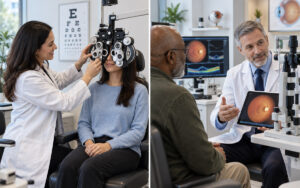
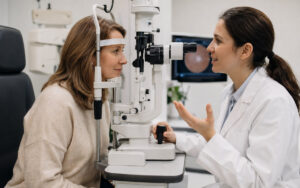
The eye care provider carefully examines the front and back portions of the eye using specialized instruments. This evaluation helps identify cataracts, retinal disease, glaucoma, macular degeneration, and other conditions.
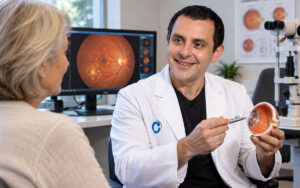
Advanced diagnostic imaging may be recommended in certain cases to provide detailed views of retinal structures and optic nerve health.
The goal is to evaluate both vision and overall eye health, ensuring any concerns are identified and addressed appropriately.
Protecting Vision for the Future
Effective vision contributes significantly to independence, safety, productivity, and quality of life. Whether it is driving, reading, working, or enjoying hobbies, healthy eyesight supports countless daily activities.
Routine eye examinations are one of the most effective ways to protect vision and maintain long-term eye health. They enable early disease detection, monitor age-related changes, and provide timely intervention when treatment is needed.
As medical technology continues to advance, we can now manage many eye conditions more effectively than ever. However, successful treatment often depends on early diagnosis.
Making eye health a priority today can help preserve vision for years to come.
Frequently Asked Questions
Do I need an eye exam if I have perfect vision?
Yes. Many eye diseases develop without affecting vision in their early stages. Regular exams help detect problems before symptoms appear.
How often should adults have an eye exam?
Many adults benefit from comprehensive eye exams every one to two years, although individual recommendations may vary.
Can eye exams detect health conditions outside the eyes?
Yes. Eye exams may reveal signs of diabetes, high blood pressure, autoimmune conditions, and other health concerns.
At what age should children begin having eye exams?
Children should receive vision screenings and comprehensive eye examinations according to recommendations from their pediatrician and eye care provider.
What if I have no symptoms?
Even without symptoms, routine eye exams remain important because many serious eye diseases develop silently.
“Protecting your vision starts with preventive care. Early detection remains one of the most powerful tools in preserving lifelong eye health.”
Schedule Your Eye Exam at Anaheim Eye Institute
Regular eye examinations are one of the simplest and most effective ways to protect your vision and maintain healthy eyes throughout life. Whether you are experiencing changes in vision or simply due for a routine checkup, comprehensive eye care can help detect potential concerns early and support long-term visual health.
For more than six decades, Anaheim Eye Institute has dedicated itself to providing advanced eye care to patients throughout Orange County. From routine eye examinations and cataract evaluations to LASIK consultations and treatment for complex eye conditions, their experienced team is committed to helping patients preserve and improve their vision.
Schedule your appointment with Anaheim Eye Institute today and take an important step toward protecting your eyesight for the future.