Recognizing the Warning Signs of Cataracts and Understanding When It May Be Time to Seek Professional Eye Care.
Cataracts are one of the most common age-related eye conditions, affecting millions of people worldwide. Despite being highly treatable, cataracts often develop so gradually that many individuals do not realize their vision is changing until everyday activities become more difficult.
Because cataracts typically progress slowly, people frequently attribute their symptoms to normal aging, fatigue, or simply needing a stronger glasses prescription. While these explanations may seem reasonable at first, delaying evaluation can allow vision problems to worsen and affect quality of life.
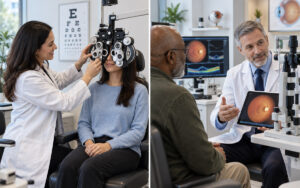
The good news is that cataracts can be detected early through comprehensive eye examinations. Recognizing the warning signs and seeking professional care when symptoms first appear can help patients make informed decisions about treatment and maintain clear vision for as long as possible.
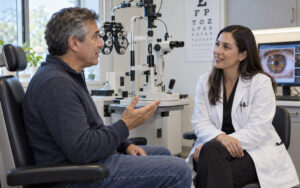
At Anaheim Eye Institute, cataract evaluations are a routine part of comprehensive eye care. Understanding the early signs of cataracts can help patients protect their vision and determine when treatment may be beneficial.
“Many people do not realize they have cataracts because vision changes occur so gradually. Regular eye exams often identify cataracts before they significantly impact daily life.”
What Are Cataracts?
A cataract occurs when the eye’s natural lens becomes cloudy.
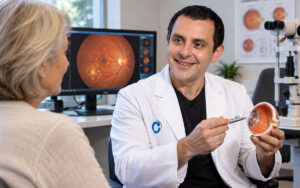
The lens sits behind the iris and helps focus light onto the retina, allowing us to see clearly. In a healthy eye, the lens remains transparent, enabling light to pass through efficiently.
As people age, proteins within the lens can begin to break down and clump together. Over time, these changes create cloudy areas that interfere with the passage of light.
As the cloudiness increases, vision may become blurry, dim, or distorted. Colors may appear less vibrant, and everyday tasks such as reading or driving may become more challenging.
Although aging is the most common cause, cataracts can also develop due to eye injuries, certain medications, medical conditions such as diabetes, or prolonged exposure to ultraviolet light.
Cataracts typically develop slowly, which is why many patients do not immediately recognize the symptoms.
Blurry or Cloudy Vision
One of the earliest and most common signs of cataracts is gradual blurring of vision.
Many patients describe the experience as looking through a foggy window, a dirty windshield, or a thin layer of haze. Objects may lose their sharpness, making it more difficult to see fine details.
Initially, the change may be subtle. Some people notice that reading small print becomes more difficult or that distant objects are not as clear as they once were.
Because changes in prescription can also cause blurry vision, many individuals assume they simply need new glasses. Cataracts, however, continue to progress over time, even if updated lenses may provide temporary improvement.
If blurry vision persists despite corrective lenses, a comprehensive eye examination can help determine whether cataracts are contributing to the problem.
Increased Difficulty Seeing at Night
Cataracts often first affect night vision.
Many patients report that driving after dark becomes more challenging. Street signs may be harder to read, road markings may appear less distinct, and oncoming headlights can seem unusually bright.
The clouding of the lens scatters light as it enters the eye, reducing contrast and making it more difficult to distinguish objects in low-light conditions.
Night driving can become particularly stressful because safety closely links visual clarity and reaction time.
If you avoid nighttime driving or feel less comfortable behind the wheel after dark, cataracts may be a contributing factor.
A professional eye evaluation can determine whether cataracts or another eye condition is responsible for these changes.
Increased Sensitivity to Light and Glare
As cataracts develop, many patients become increasingly sensitive to bright light.
Sunlight may feel more intense than before, and bright indoor lighting can sometimes cause discomfort. Glare from headlights, reflective surfaces, and digital screens may also become more noticeable.
This occurs because the cloudy lens scatters incoming light, making it more difficult for the eye to process visual information efficiently.
Glare can reduce visual clarity and make certain activities more challenging, particularly driving during bright daylight or nighttime conditions.
Some individuals notice that they need sunglasses more frequently than they once did or feel uncomfortable in environments with bright lighting.
While sensitivity to light can have multiple causes, cataracts are among the most common reasons adults experience this symptom as they age.
“Changes in night vision and increased glare are often among the earliest signs that cataracts may be developing.”
Colors May Appear Faded or Yellowed
The natural lens of the eye normally allows colors to appear bright and vibrant. As cataracts progress, the lens can take on a yellow or brown tint that alters color perception.
Patients often report that colors seem less vivid than they used to. Whites may appear slightly yellow, and certain shades may become more difficult to distinguish.
Because these changes occur gradually, many people do not notice them immediately. The brain often adapts to subtle shifts in color perception over time.
In some cases, patients only recognize the difference after cataract surgery restores the clarity of the lens.
Color perception changes may affect activities such as reading color-coded materials, choosing clothing, or enjoying hobbies that rely on accurate color recognition.
If colors appear increasingly dull or muted, a comprehensive eye examination can help determine whether cataracts are responsible.
Frequent Changes in Eyeglass Prescriptions
Many adults expect their vision prescription to change occasionally. However, frequent prescription changes may sometimes indicate cataract development.
As the lens becomes cloudier, visual clarity may fluctuate. Patients may notice temporary improvements followed by worsening vision, making it difficult to achieve consistently sharp sight with glasses or contact lenses.
Some individuals find themselves needing stronger prescriptions more often than expected.
While changing prescriptions can occur for many reasons, repeated adjustments that fail to provide lasting improvement may warrant further evaluation.
A cataract assessment can help determine whether lens changes are contributing to the ongoing vision fluctuations.
Double Vision in One Eye
Another possible early symptom of cataracts is monocular double vision, meaning double vision that occurs in only one eye.
Unlike traditional double vision caused by eye alignment issues, cataract-related double vision results from changes within the lens itself.
Patients may notice ghost images, overlapping images, or slight duplication of objects when viewing with one eye.
Although not everyone with cataracts experiences this symptom, it can be an important warning sign.
An eye care professional should promptly evaluate any form of double vision to determine the underlying cause.
Risk Factors That May Increase Cataract Development
While aging remains the primary risk factor, several additional factors may increase the likelihood of developing cataracts.
These include:
- Age over 60
- Diabetes
- Smoking
- Excessive ultraviolet (UV) exposure
- Previous eye injuries
- Long-term corticosteroid use
- Family history of cataracts
- Certain eye surgeries
- Chronic inflammation within the eye
Although some risk factors remain beyond our control, we can support long-term eye health by making healthy lifestyle choices and getting regular eye examinations.
Protective sunglasses that block UV rays may also help reduce cumulative sun-related lens damage.
When Should You Consider Cataract Surgery?
Many patients assume cataracts must be removed immediately after diagnosis. In reality, treatment recommendations depend on how significantly cataracts affect daily life.
During the early stages, updated glasses, improved lighting, or other adjustments may help manage symptoms.
However, as cataracts progress, they may begin interfering with activities such as driving, reading, working, or enjoying hobbies.
When vision changes begin affecting quality of life, cataract surgery may be recommended.
Modern cataract surgery is one of the most commonly performed and successful procedures in medicine. During the procedure, the cloudy natural lens is removed and replaced with a clear artificial intraocular lens (IOL).
Many patients experience significantly improved vision and reduced dependence on corrective lenses following surgery.
The timing of surgery is highly individualized and should be based on each patient’s visual needs and lifestyle goals.
Frequently Asked Questions
Are cataracts a normal part of aging?
Cataracts are very common with age, but they should still be monitored and managed by an eye care professional.
Can cataracts be prevented?
While you cannot always prevent cataracts, healthy lifestyle habits, UV protection, and regular eye exams may help reduce your risk.
Do cataracts cause blindness?
If left untreated, advanced cataracts can significantly impair vision. However, cataract surgery is highly effective at restoring vision in most cases.
How do I know if I need cataract surgery?
Surgery is generally recommended when cataracts begin interfering with daily activities and quality of life.
Are cataracts painful?
Cataracts are usually painless. Most symptoms involve changes in vision rather than discomfort.
“The earlier cataracts are identified, the easier it becomes to monitor progression and determine the best timing for treatment.”
Schedule a Cataract Evaluation at Anaheim Eye Institute
Cataracts are a common part of aging, but they do not have to diminish your quality of life. Recognizing the early warning signs and scheduling regular eye examinations can help ensure that you address vision changes before they become more significant.
For more than 65 years, Anaheim Eye Institute has provided advanced eye care services to patients throughout Orange County. From comprehensive eye exams and cataract evaluations to advanced cataract surgery and premium lens options, their experienced team is dedicated to helping patients maintain clear, healthy vision.
Schedule an appointment with the Anaheim Eye Institute today to learn whether cataracts may be affecting your vision and to explore the treatment options available to you.